
County Freezes Tax Rates in $1.46 Billion Budget, and Your Bill Still Goes Up
St. Johns County commissioners voted 3-2 to hold millage rates flat for next year, which puts the aggregate rate 2.06% above rolled-back. TRIM notices hit mailboxes Aug. 24, and residents get two shots at the microphone in September.

St. Johns County commissioners voted 3-2 on July 21 to keep property tax rates unchanged for fiscal 2027, a decision that will raise most tax bills in and around St. Augustine because taxable value across the county climbed 6.7% this year. County Administrator Joy Andrews presented a $1.46 billion recommended budget the same night, and warned commissioners it was drafted without knowing whether a November statewide vote will strip tens of millions of dollars from county revenue.
Flat rates are not flat bills. The aggregate millage of 6.7559 sits 2.06% above the rolled-back rate of 6.6196, the rate that would bring in the same money from the same properties as last year. Under the county's own example, the owner of a home assessed at $500,000 pays $3,415 in county taxes, or $94 more than they would at rolled-back.
What the rates actually are
| Levy | Rate (per $1,000) |
|---|---|
| General fund | 4.4999 |
| Transportation trust | 0.8444 |
| Fire district | 1.4700 |
That fire district rate is the one line St. Augustine homeowners should read twice. It applies countywide except inside the city limits, where the city runs its own fire service. City property owners are levied the general fund and transportation trust rates, 5.3443 combined, on the county side of the ledger.
The county portion is also only one slice of the notice arriving in August. TRIM notices list every taxing authority that touches a parcel, including the school board, the city, and special districts, each with its own proposed rate and its own hearing date.
The November wildcard
Andrews told the board the budget was built to protect what the county already owns and staffs rather than to expand. The reason is the Nov. 3 ballot question on amending the state constitution to raise the homestead exemption on non-school property taxes from $50,000 to $150,000 in fiscal 2028, then to $250,000 the following year.
If it passes, Andrews projected county property tax revenue would drop by roughly $66 million in fiscal 2028 and about $130 million in 2029, spread across the general fund, the fire district and the transportation trust. By 2032 she put the annual hit near $213 million and the cumulative loss at roughly $830 million.
The county has not waited for the vote. A hiring pause is already in place, with carve-outs for public safety, legally required and grant-funded jobs, and officials say it has avoided up to $8.2 million in spending this year. About $7.9 million in discretionary capital projects paid for with property taxes has been deferred. Staff is also looking at fees, special assessments and tourist development taxes, aiming to raise roughly $20 million in new money by fiscal 2033.
If the amendment passes, the county plans a workshop with commissioners on how to reshape services with less revenue.
Where the money goes
The recommended budget adds 32.25 full-time positions out of 55.74 that departments requested, and cuts one. Thirty of the new jobs are firefighters. The capital improvement plan totals $264.72 million, funded largely by $126.3 million in utility services debt proceeds along with impact fees, transportation trust revenue and grants.
The $1.46 billion figure will grow. It excludes multiyear capital and grant carryforwards, which get folded in at the September hearing.
The 6.7% jump in countywide taxable value breaks down as 3.7% from new construction and 3% from existing property. Homesteaded owners are shielded from most of that: the Save Our Homes cap limits their assessed value increase to 2.7% this year.
Two chances to talk
Commissioners Clay Murphy, Sarah Arnold and Christian Whitehurst backed the rates. Krista Joseph and Ann Taylor voted no, saying they wanted them lowered.
That fight is not over. Wade Schroeder, the county's budget office director, told the board the approved rates are ceilings for the rest of the process. They can come down in September. They cannot go up.
The Property Appraiser mails TRIM notices Aug. 24. The first public hearing on the fiscal 2027 budget is 5:01 p.m. Sept. 3 in the County Auditorium at 500 San Sebastian View, with final adoption at 5:01 p.m. Sept. 15 in the same room. Budget documents and workbooks are posted at sjcfl.us.
Keep up with local coverage at the St. Augustine Community Website, and tell us what you plan to say at the September hearings by joining the conversation in our Community Forum. For more on county decisions that hit your wallet, read our government and politics stories and our latest local news.
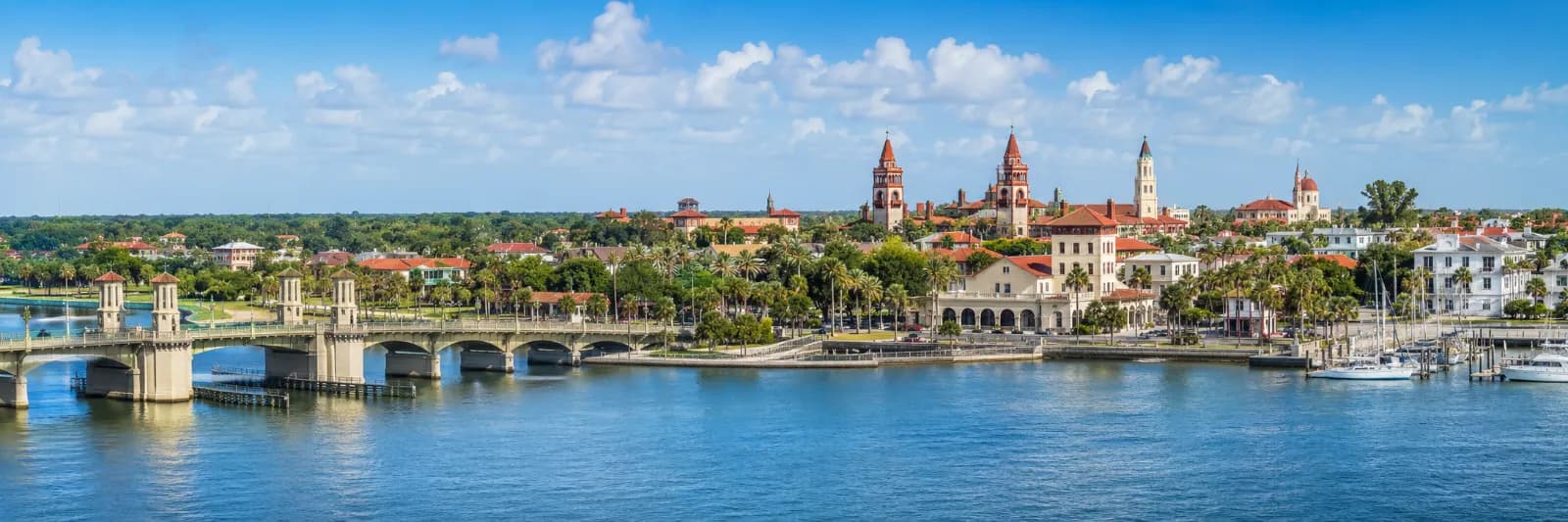
Header photo: Michael Rivera / Wikimedia Commons (CC BY-SA 4.0)

Continue this story for free.
Stay informed about St. Augustine. Enter your email to access the full story and receive local news and community updates.
Free to read · No password to remember
New here? We’ll email you a sign-in link and code. Already a reader? Use your usual email.
Read next
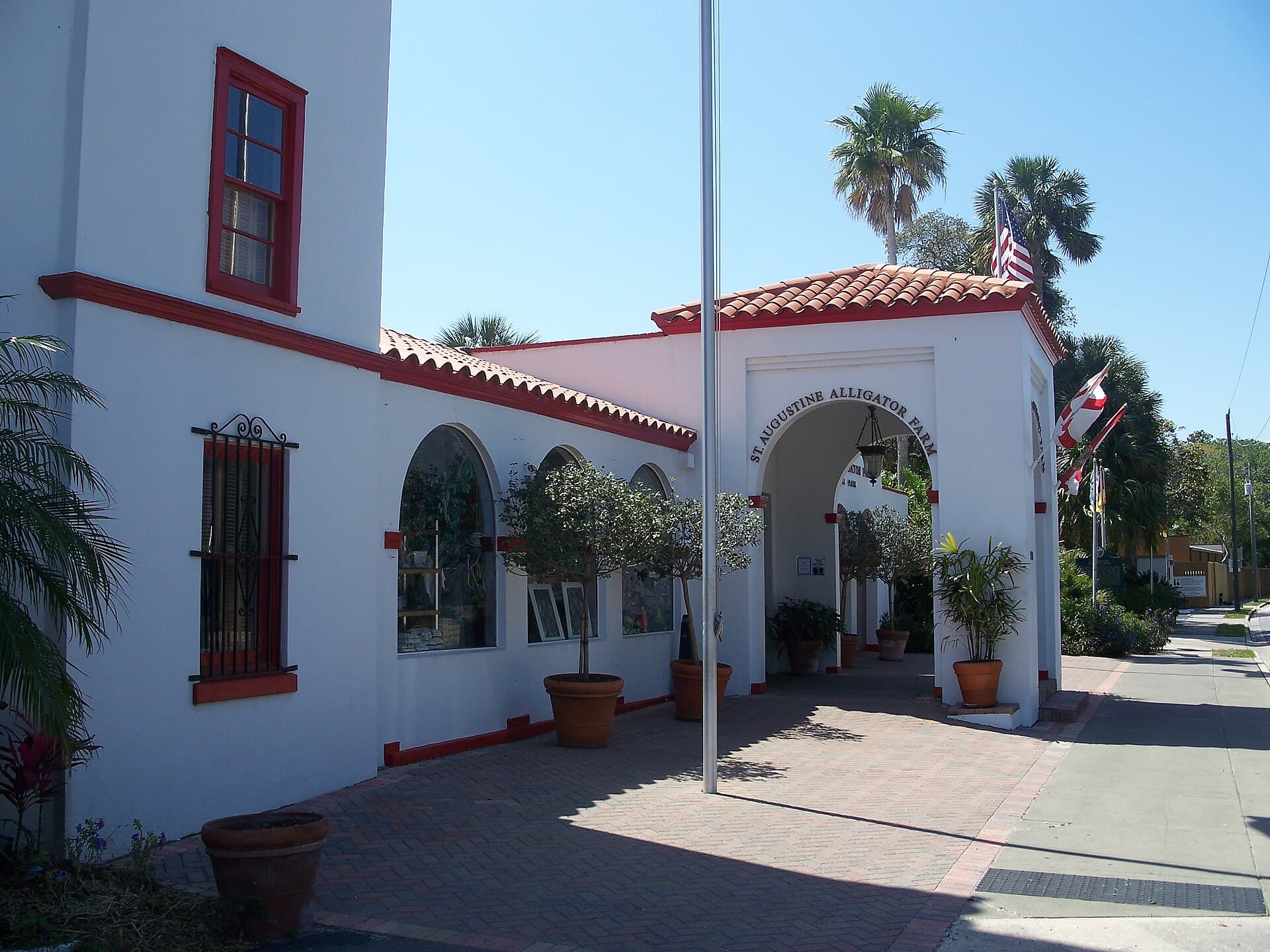
Free STAR Shuttle Expands to the Beach Today, Adding 15 New Stops
Starting Oct. 1, St. Augustine's free STAR Circulator stretches past downtown for the first time, linking the historic district to the Alligator Farm, St. Augustine Beach City Hall and the St. Johns County Ocean Pier.
Read the story ↗


Comments
Your draft stays here while you sign in. Be respectful and keep it local.
No comments yet.