
County Commission Votes Tuesday on Putting a $100 Million Conservation Bond, and a Tax Hike, Before Voters
St. Johns County commissioners decide Tuesday morning whether to ask voters in November to borrow up to $100 million to buy land, repaid by a property tax of up to $15 a year per $100,000 in taxable value.

St. Johns County commissioners vote Tuesday morning on whether to ask voters in November to authorize up to $100 million in borrowing for land conservation, paid back through a property tax levy capped at 0.15 mills. For a St. Augustine homeowner, that maximum works out to $15 a year for every $100,000 in taxable value: about $75 on a home assessed at $500,000. The meeting starts at 9 a.m. at the County Auditorium, 500 San Sebastian View.
Tuesday's vote does not levy anything. It decides whether the question lands on the Nov. 3 general election ballot, where county voters make the final call.
What it would cost
The bonds would be general obligation bonds, backed by property taxes. The 0.15 mill cap is the ceiling, not necessarily the rate in any given year. The Trust for Public Land, which studied the idea for the county along with the Florida nonprofit Live Wildly, has estimated the average county homestead would pay roughly $42 a year.
| Taxable value | Annual cost at 0.15 mills |
|---|---|
| $100,000 | $15 |
| $500,000 | $75 |
| Average homestead (TPL estimate) | about $42 |
Countywide, a 0.15 mill levy would raise somewhere in the range of $8.5 million a year, according to figures the Trust for Public Land presented to commissioners in July.
Where the money would go
Proceeds would run through the county's Land Acquisition and Management Program, known as LAMP, to buy, restore and manage land that protects drinking water sources, wetlands, wildlife habitat, coastal areas, working farms and forests. Projects would also be scored on whether they reduce flooding and whether they open up outdoor recreation, the kind of thing that turns a purchase into a kayak launch or a hiking trail rather than a fenced-off parcel.
That is a large step up from how LAMP operates now. The program's citizen advisory board has been working with an annual budget in the $500,000 to $2 million range, and it owns 13 properties.
A program that just hit the brakes
LAMP is in an awkward spot heading into Tuesday. County officials have directed the program to pause all new acquisitions while they assess what Florida's property tax reform legislation does to the fiscal 2027 budget, local news reports say. Staff are still reviewing applications, but nothing new is being bought.
The program also just lost its top-ranked target. A roughly 50-acre tract near the Matanzas River, LAMP's No. 1 acquisition priority for 2025, sold to a homebuilder on July 30 for $12 million. The county had appraised it near $6.8 million and assembled about $7 million in grant money. The seller declined. Staff have described the parcel as one of the last unbroken stretches of marsh coast in the southeastern part of the county, and buying it would have connected to Moses Creek Conservation Area.
The current priority list is smaller and cheaper: the Bailey family ranch land on Bishop Estates Road, about 70 acres; the Adams family property on County Road 13 near Elkton, about 94 acres; and three parcels under 20 acres apiece.
The vote arrives in a crowded week
One day after the bond vote, on Wednesday, Aug. 19, commissioners hold a special meeting on three agricultural enclave applications covering more than 5,600 acres. Those filings, made under the state's new agricultural enclave law, are the sharpest version of the development-pressure argument conservation advocates have been making all summer. Commissioners voted 5-0 on Aug. 5 to have the county attorney's office look into whether the county can challenge the law in court.
The growth numbers behind all of it: St. Johns County has added more than 71,000 residents since 2020, a roughly 26% increase.
Whether it would pass
Polling commissioned for the county study found 62% of St. Johns voters would support the measure based on ballot language alone, with 11% opposed and 27% unsure. Support stayed above 59% even after respondents heard arguments for and against. Commissioners cited that research when they directed county attorneys on July 21 to draft the referendum.
Local history is less tidy. Since 1998, county voters have approved four referendums raising sales taxes or millage and rejected five others. Twenty-one Florida counties already have a dedicated conservation fund.
The calendar is what forces the issue Tuesday. General election ballots for overseas voters have to go in the mail by Sept. 19, which leaves no room for another delay if the question is going before voters this year. The Aug. 18 agenda is posted on the county's meeting calendar, and public comment is taken at the meeting.
For more on this and other stories from around the oldest city, visit St. Augustine Community Website, and tell us how you'll vote in November by joining the conversation in our Community Forum. You can read more government and politics stories and follow county growth decisions in our business and development coverage.
---END---
Continue this story for free.
Stay informed about St. Augustine. Enter your email to access the full story and receive local news and community updates.
Free to read · No password to remember
New here? We’ll email you a sign-in link and code. Already a reader? Use your usual email.
Read next
Free STAR Shuttle Expands to the Beach Today, Adding 15 New Stops
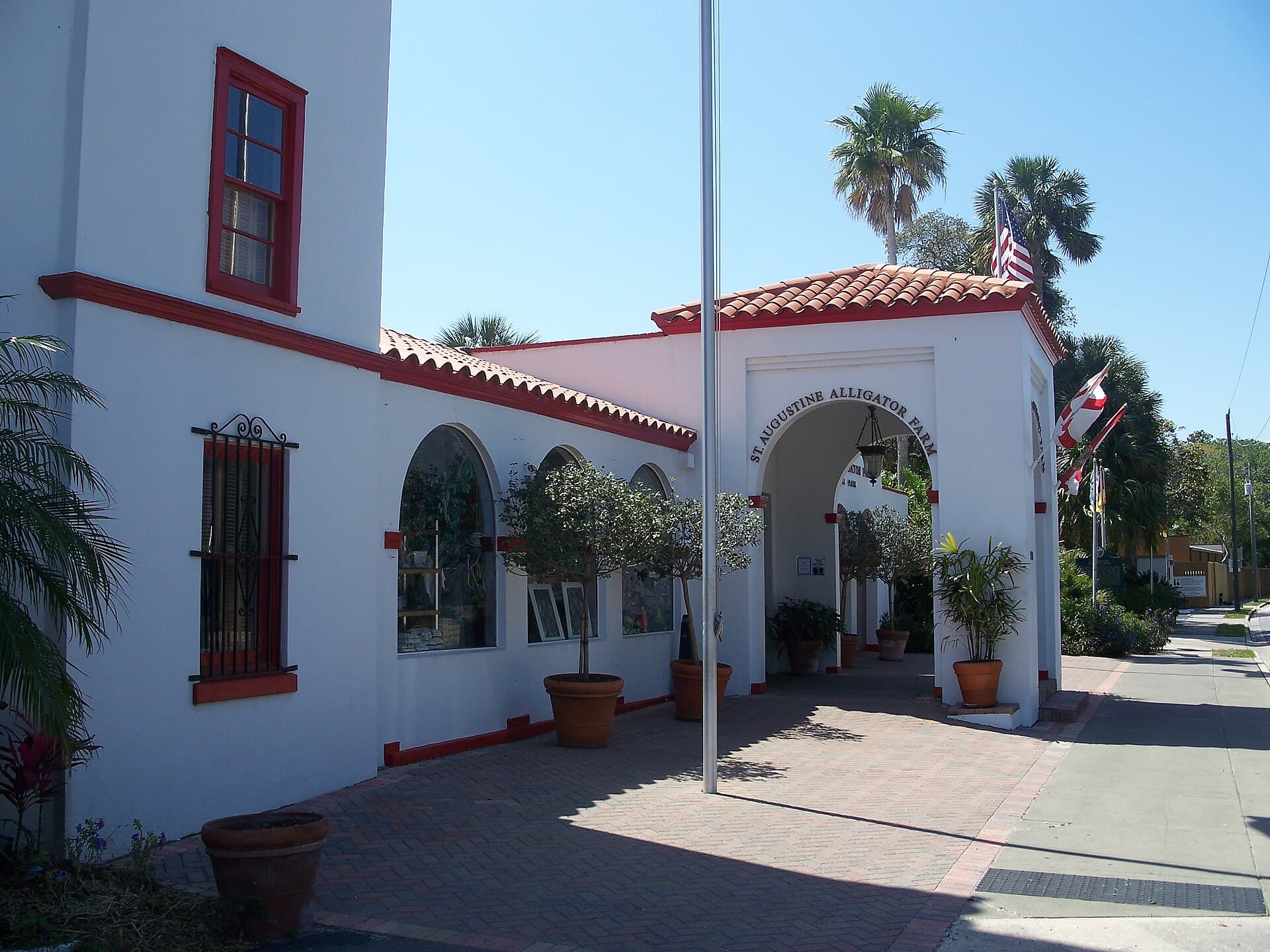
Starting Oct. 1, St. Augustine's free STAR Circulator stretches past downtown for the first time, linking the historic district to the Alligator Farm, St. Augustine Beach City Hall and the St. Johns County Ocean Pier.
Read the story ↗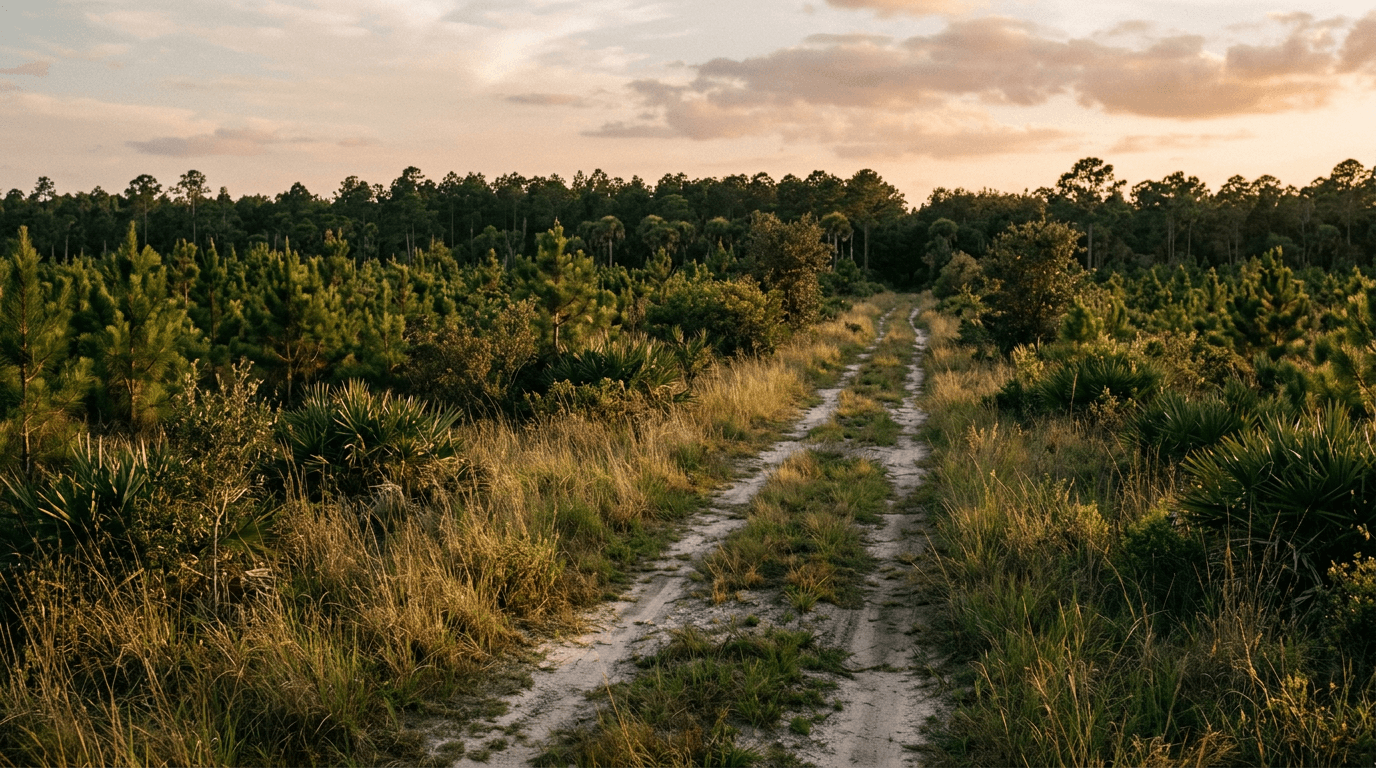

Comments
Your draft stays here while you sign in. Be respectful and keep it local.
No comments yet.