

With Lease Ending September 30, St. Augustine's Horse-Carriage Fight Roars Back at City Hall
A commissioner pushed back on activists who call carriage rides "barbaric" as Country Carriages counts down to a September deadline to vacate its city stable. Here's where the long-running downtown fight stands.

The debate over downtown St. Augustine's horse-drawn carriages flared again at Monday's City Commission meeting, with Commissioner Jim Springfield rejecting the "barbaric" label activists have attached to the trade — a clash that lands just weeks before Country Carriages' city lease expires on September 30, 2026, forcing the 20-year operator to vacate its stable off Riberia Street.
For residents and families who see the carriages clip-clop through the Old City's historic streets nearly every day, the deadline means real change is coming to the district that draws the most visitors. What comes next for the property, and for the broader carriage trade, is still unsettled.
What happened Monday
Speaking at the July 14 meeting, Springfield pushed back against a year and a half of protests that have framed the carriage industry as abusive and outdated. He said city officials had been "beaten up" over accusations of barbaric practices and drew a line between using horses and mistreating them.
Springfield, whose term ends in a matter of months, tied the issue to his own family history, noting a grandfather who farmed with horses in Georgia, and referenced Amish carriage travel and working-animal demonstrations he'd seen at a Maine farming fair. He said he supports the right to protest but considers the "barbaric" description an insult to generations who depended on horses. Backers of the industry argue the animals are largely well cared for and that carriage rides are a longstanding part of the city's identity.
How the city got here
The July exchange follows the commission's unanimous vote in February not to renew Country Carriages' franchise, ending the operator's roughly two-decade run in the Old City. Its lease and franchise agreement for the roughly one-acre property at 650 Riberia Street expires at the end of September, and the horses are to be moved out.
According to local media reports, the city's director of general services told commissioners the business had more documented issues than any other leaseholder. Among the concerns city staff raised:
- Failure to evacuate the animals during Hurricane Milton in 2024.
- Electrical safety problems at the stable, including extension cords used as permanent wiring, a broken conduit and a damaged switch box that officials said could pose a fire risk.
- An overgrown drainage ditch that staff had to clear to address flooding at the low-lying site.
City staff also said prior walkthroughs found the horses were generally kept in good condition and properly fed. One commissioner separately flagged concerns about a single operator controlling a large share of the city's carriage medallions.
The quarantine and the horse deaths
The controversy sharpened earlier this year when Country Carriages went under quarantine after a horse contracted strangles, a contagious respiratory infection. Owner Jennifer Cushion confirmed two horses died during that stretch, including one from pneumonia.
Cushion has defended her operation, telling commissioners she spends $60,000 to $80,000 a year on veterinary bills and that a vet is called the moment a horse shows any sign of illness. She addressed the Hurricane Milton criticism by saying she had been out of state and believed the animals were safe because earlier storms had not disrupted their environment. Ahead of the February vote, she cast opponents as outside activists seeking to abolish the industry and asked commissioners to weigh her record of care and community involvement.
Opponents who have spoken at meetings for months pressed the city over what they described as insufficient oversight, pointing to the horse deaths, safety concerns and code violations. One critic argued the situation reflected neglect rather than oversight, saying officials only showed concern after violations were exposed by the public.
What it means for the trade
The decision reaches beyond a single stable. A spokesman for St. Augustine's carriage owners, Aaron Jockers, said the vote will push the broader industry to raise its standards for animal care, regulation and responsibility — an outcome he said he welcomes.
For now, the future of the Riberia Street property remains unclear, and the countdown to the September 30 deadline continues. Whether the city ultimately reshapes how carriage rides operate downtown — or how many operators remain — is likely to keep bringing residents and activists back to City Hall.
Follow the story as it develops on the St. Augustine Community Website, and join the conversation in our Community Forum. Follow us on Facebook, Instagram, and X for breaking updates. For more local coverage, read our government & politics and community stories.
Header photo: Unknown authorUnknown author or not provided / Wikimedia Commons (Public domain)

Continue this story for free.
Stay informed about St. Augustine. Enter your email to access the full story and receive local news and community updates.
Free to read · No password to remember
New here? We’ll email you a sign-in link and code. Already a reader? Use your usual email.
Read next

County Commission Votes No Confidence in Two Charged Colleagues, Asks DeSantis to Remove Them
In a 3-2 vote, the St. Johns County Commission denounced Commissioners Sarah Arnold and Christian Whitehurst — who face criminal charges over a 2024 "fake voter guide" — and asked the governor to remove them. Both say they won't resign.
Read the story ↗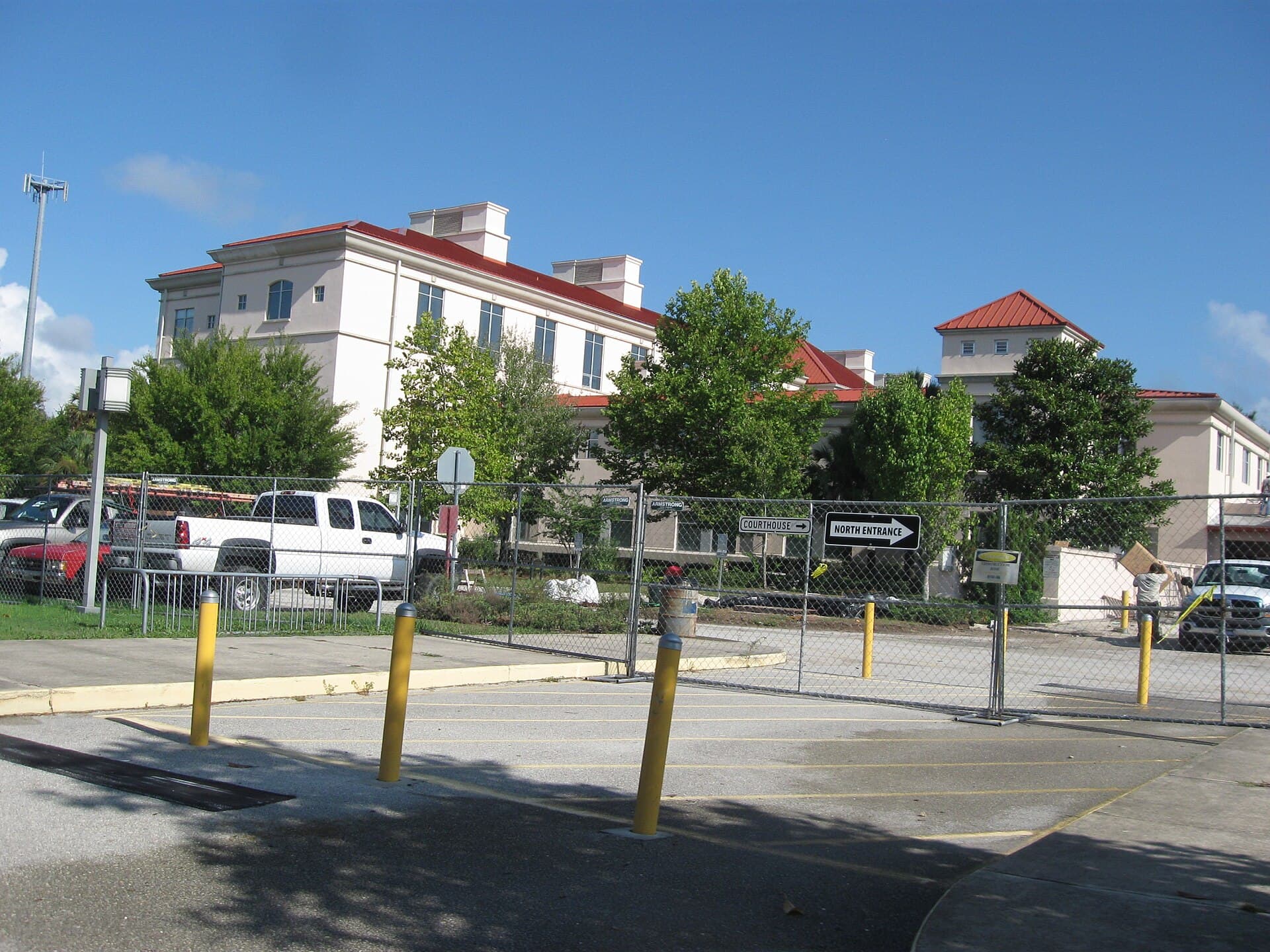


Comments
Your draft stays here while you sign in. Be respectful and keep it local.
No comments yet.